From Handover to Lifecycle: What Long-Term Support Really Covers
Testing and commissioning, handover documentation, preventive and corrective maintenance, remote diagnostics and upgrade support.
As data centers become increasingly critical to business operations, security is evolving from standalone systems into integrated, multi-layer protection. Modern data center security must cover the site perimeter, vehicle access, building entrances and critical areas, while ensuring reliable operation and efficient incident response.
Multi-Layer Security
Different areas of a data center require different levels of protection. Perimeter security, vehicle control, CCTV, access control and visitor management work together to form a Multi-Layer Security Architecture, helping prevent unauthorized access and improve overall site security.
High Availability
Security systems are part of mission-critical infrastructure. CCTV, access control, alarms and security networks must remain stable and available. Redundant networks, power supplies and system design can help reduce operational risks and support continuous operation.
Integrated Digital Operations
When security systems operate independently, information can become fragmented. By integrating video, access control, alarms, visitor management and perimeter systems into a centralized environment, data center operators can improve visibility, incident response and operational efficiency.
Lifecycle Security Services
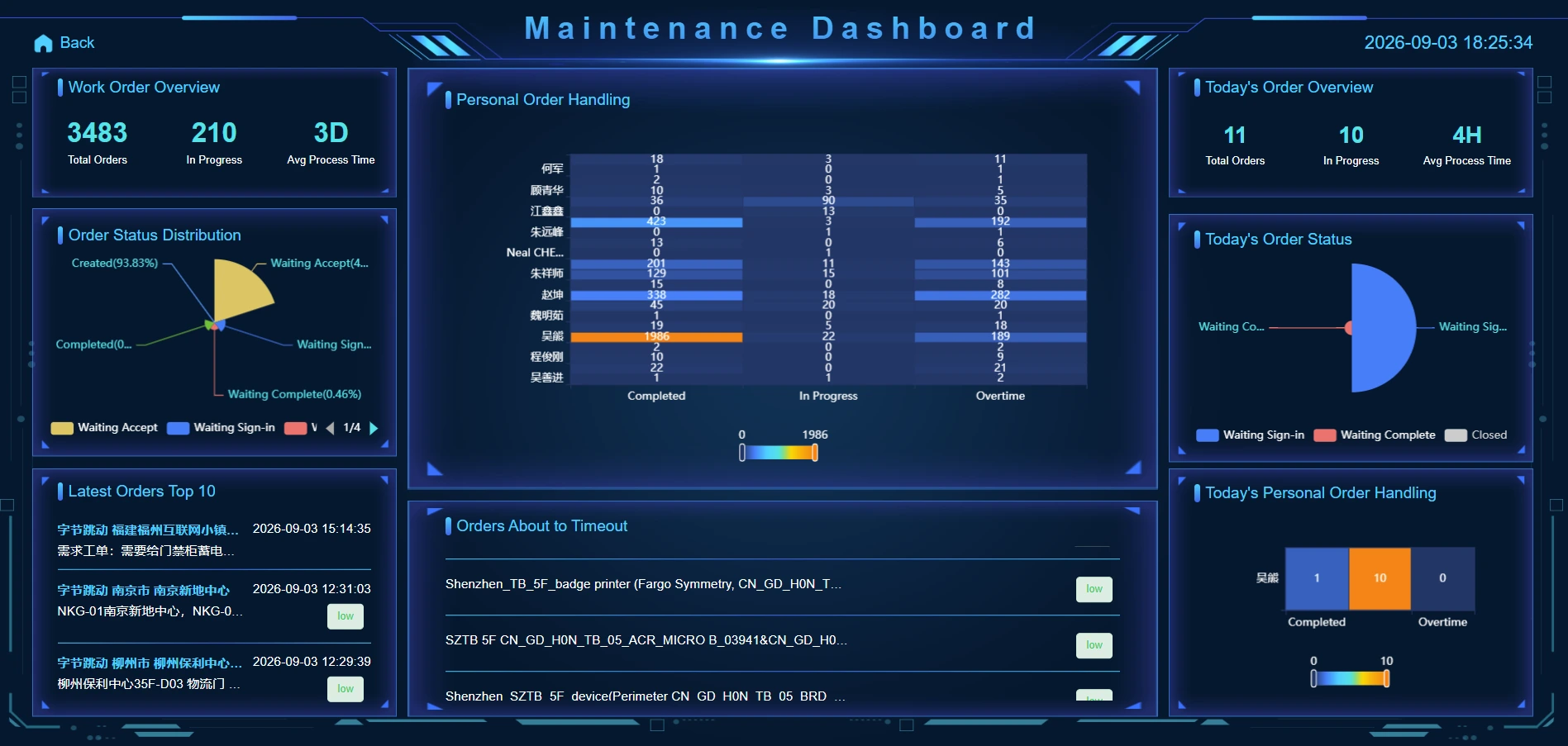
Effective security continues long after system installation. Testing, commissioning, preventive maintenance, fault response, system health checks and future upgrades are essential for long-term reliability.
Data center security is therefore moving toward a complete approach: Security Architecture + System Integration + Digital Operations + Lifecycle Services. For modern data centers, the goal is no longer simply to monitor risks, but to create a security environment that is integrated, reliable and ready for continuous operation.